
Do you have a building that needs an asbestos survey?
Trained specialists in asbestos services
We provide an end-to-end asbestos management solution from inspection through to removal management and consultancy. We work UK-wide within the public and private sectors covering domestic, commercial, industrial and heritage buildings. Our dedicated and qualified building and asbestos surveyors are experienced in detecting and managing any asbestos-containing materials (ACM), in any building or structure.
Asbestos refurbishment and demolition surveys
The refurbishment or demolition survey is required where the premises, or part of it, need upgrading, refurbishment or demolition. This must happen before any structural work begins.Asbestos management survey
The survey will locate the presence and extent of any ACM and ensure that during normal use of the building, any ACMs are managed to make sure nobody is harmed, it remains in good condition, and not disturbed.Asbestos consultancy and sampling
If an ACM is suspected, a sample needs to be sent for analysis. Our experienced team will safely take the required samples and make arrangements for analysis by a UKAS asbestos-testing laboratory working to ISO 17025.Asbestos re-inspections
The Control of Asbestos Regulations 2012 requires that the condition of asbestos containing materials must be inspected regularly and records updated accordingly. Damage and deterioration can happen over time, so any ACM must be checked.Asbestos abatement works
Abatement works implemented by us will ensure best value is sought by the provision of specifications and tender documents. We can oversee the works, carry out checks and audits to completion.Asbestos removal management and consultancy
We ensure that any asbestos removal work is correctly specified, priced accordingly, planned, completed, reported and delivered on timeDon’t take risks with asbestos
If you are planning to develop or demolish a building built before 1999 when the asbestos ban came into force, there is a good chance you will be dealing with some asbestos containing materials. This needs to be managed with great care as the consequences are life threatening.
Asbestos is the leading cause of occupational death in the UK
Over 5,500 asbestos-related deaths per year
sources: 2019 Respublica, HSE, Asbestos.com
Access to difficult and high areas
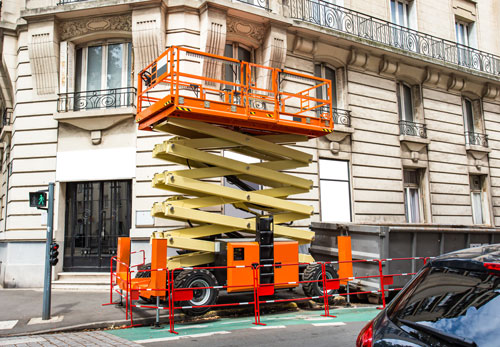
We own a full range of access equipment including mobile towers and mobile elevated working platforms, scissor lifts, ladders, and steps. This ensures that we have access to difficult to reach and high areas. We are sensitive and sympathetic during our works, adapting to each individual survey requirements, particularly when surveying historic and listed buildings. You can be assured that our team of surveyors are qualified and experienced and hold certificates where applicable.


Working with you
We prioritise the health and safety of our clients, and anybody who may be affected by our asbestos services such as staff, students, patients, or family members. We will endeavour to mitigate the disruption to your daily operations. We respond quickly, efficiently with clear communications. You can be confident that we know what needs to be done to ensure your building is safe.
Our accreditations and certifications